
Growing Indigenous food trees in East Africa fights malnutrition and biodiversity loss
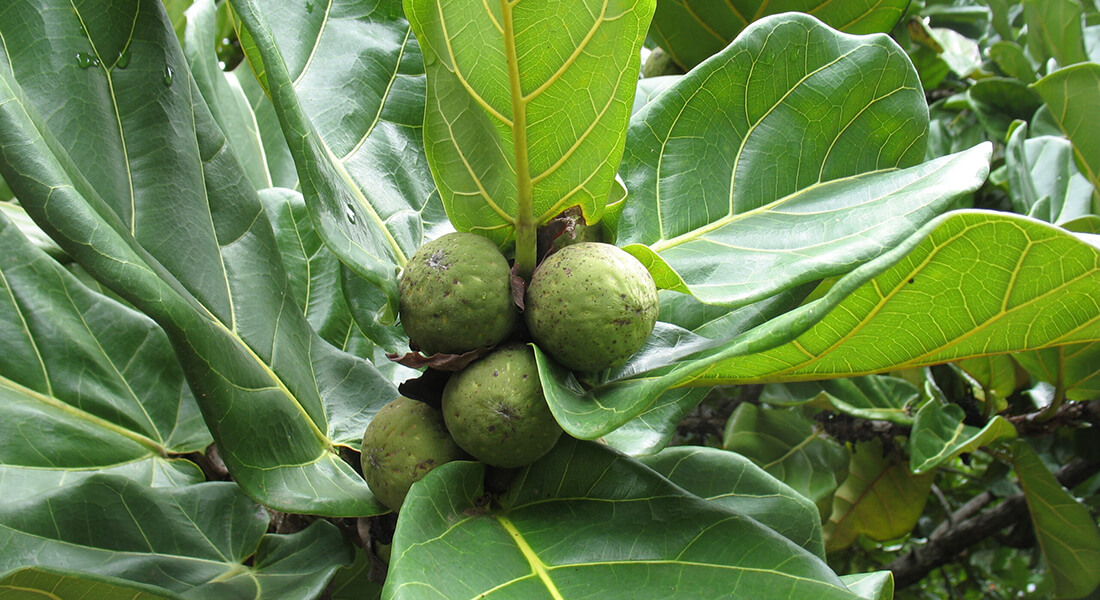
The award-winning media organization Mongabay has published an article based on TreeSense research that highlights how planting indigenous food-bearing trees in East Africa could help tackle both malnutrition and biodiversity loss. While many reforestation programs prioritize fast-growing, non-native timber species, native fruit and food trees are often overlooked despite their nutritional and ecological benefits.
Research from Malawi found that indigenous tree species such as masuku, marula, and baobab can improve diets by providing essential nutrients while also supporting native wildlife and ecosystem restoration. To encourage wider adoption, researchers and local experts have developed a practical guide on how to grow, manage, and collect seeds from these species.
The article also notes several barriers to scaling up these efforts, including limited knowledge about cultivation, challenges with seed viability, slow growth rates, and weak market opportunities for indigenous tree products. Experts stress that any commercial development should remain community-led so that local people benefit directly from the income generated.
Key takeaway: Expanding the use of indigenous food trees could simultaneously improve nutrition, strengthen local livelihoods, and restore biodiversity across East Africa, provided that communities receive the necessary support, knowledge, and market access.
Read the full news from Mongabay
Related to this PNAS article from Treesense published in June 2026: Restoring indigenous trees can help combat malnutrition in Africa